Loading…
How We Farm
Working with nature to grow food that is honest, healthy, and free of chemicals.
Natural farming is a way of growing food that works with the land instead of against it. A plant draws most of what it needs from the air, the water, and the sun. The rest comes from soil that is truly alive. So instead of reaching for chemicals, we put our care into keeping the soil healthy, using natural inputs made on the farm from what the farm already has. The result is food you can trust, grown the way it always should have been.
The Idea
Chemical farming feeds the plant directly, giving it a quick dose of synthetic nutrients while the soil beneath slowly goes lifeless. Natural farming turns that around. We put our effort into the soil, and let the soil feed the plant, the way it has done in nature long before any of us arrived.
A spoonful of healthy soil holds an enormous, unseen community of microbes, fungi, and worms. These are the real workers of a farm. They break down organic matter, unlock the minerals already present in the ground, and carry that food to the roots in a form the plant can use. Our job is simply to keep that community fed and sheltered: give it living inputs like Jeevamrut, keep the ground covered, add nothing that would harm it, and it will grow the food for us.
This is why natural farming grows stronger over time rather than weaker. Each season the soil gets darker, softer, and better at holding water, so it needs less from outside, not more. It is slower than a chemical shortcut, and it asks for patience and real knowledge of the land. That patience is exactly what you taste in the food.
The Methods
Six practices that make up the whole method. Each one serves the soil, and each one feeds the next.
Everything begins here. We treat the soil as something alive and feed it, not the plant, so the ground grows richer and holds more water each year instead of wearing out. Healthy soil is the whole foundation, and every other practice serves it.
A living tonic we ferment on the farm from cow dung, cow urine, jaggery, pulse flour, and a handful of soil. It works like a starter culture for the earth, waking up the microbes and worms that unlock the food already in the ground and carry it to the roots.
A natural coating for the seed, made from cow dung, cow urine, and lime, applied before sowing. It protects the seed and its first fragile roots from disease in those early days, so every plant germinates strong and even, with no chemical seed treatment.
We keep the soil covered with straw and crop leftovers rather than leaving it bare. The cover holds moisture, keeps the ground cool through the Gujarat heat, feeds the earth slowly as it breaks down, and shelters the life working beneath the surface.
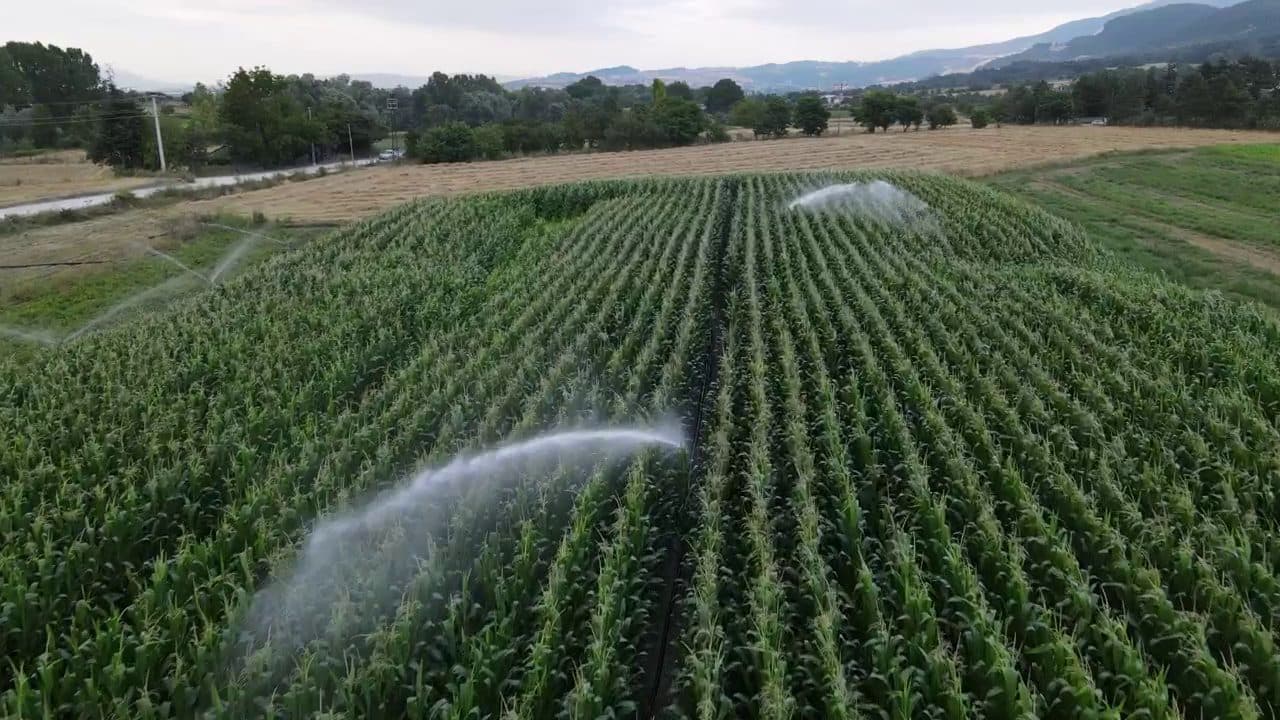
Living, covered soil holds water far better, so it asks for less. We irrigate with care, aiming for the gentle balance of air and moisture that roots love best, and treat every drop as the precious thing it is in this part of the country.
No synthetic fertiliser and no synthetic pesticide touches this land at any stage, from the seed we sow to the harvest we carry to your family. When a pest does arrive, we answer with simple, natural means like neem, never a chemical spray.
On The Land
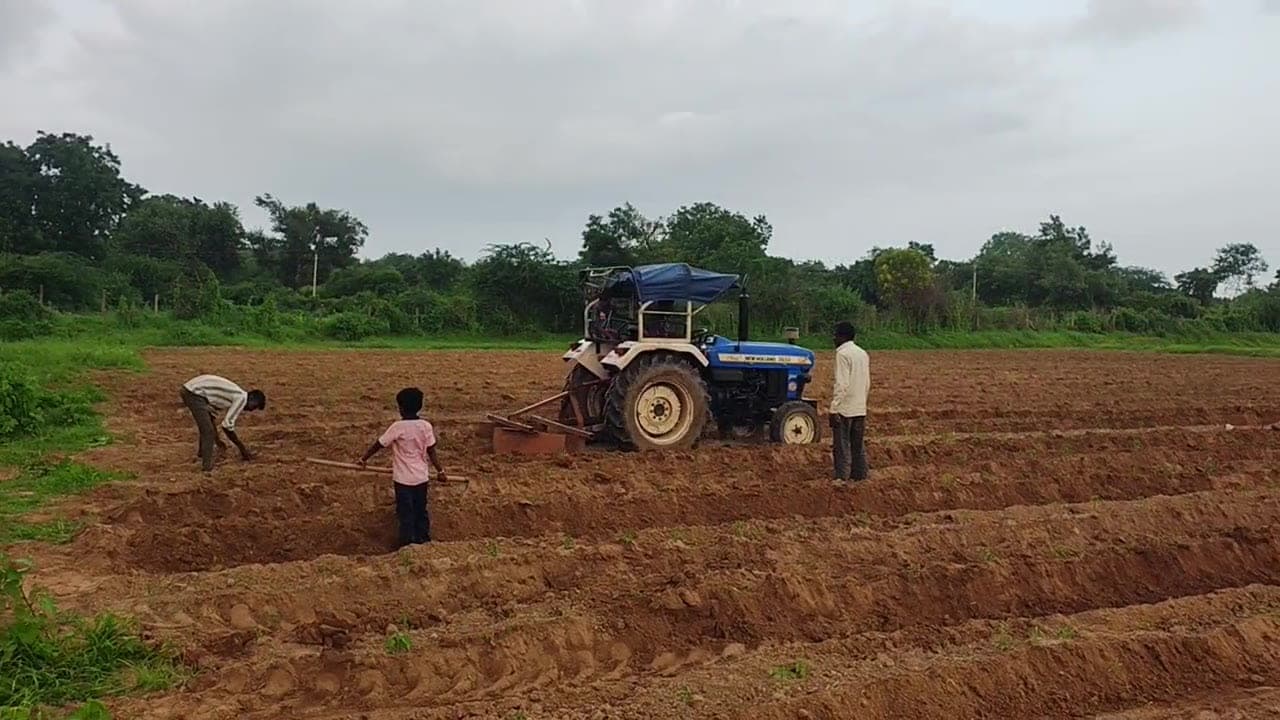
Long before a seed goes in, the beds have to be opened and shaped. It is slow work, done by tractor and by hand together, and it decides how well the soil will hold air and water for the whole season.
The Rhythm of the Year
A crop grown in its own season, in its own weather, needs the least help and gives the most in return. So rather than force the same vegetables all year, we let each season do what it does best, and plan the land around it.
Through the cool, dry Gujarat winter the fields carry tomato, chilli, and the tender vegetables that love mild days and cold nights, when flavour builds slowly and sweetly. As the heat comes on, the summer crops take over, the gourds and cucumbers that thrive in warmth as long as the soil is kept covered and moist beneath them. When the monsoon breaks, the rain refills the ground and the year begins to turn again.
Between crops, the soil is never left bare or idle. We cover it, feed it, and let it rest and recover, so that it comes to the next planting stronger than it left the last. Working this way means what arrives from the farm changes through the year, and that is exactly the point. It is food in its right season, grown at its natural peak.
Why It Matters
Natural farming is not only tradition. It shapes the food your family eats and the health of the land. We have gathered the honest, research-based case in one place.